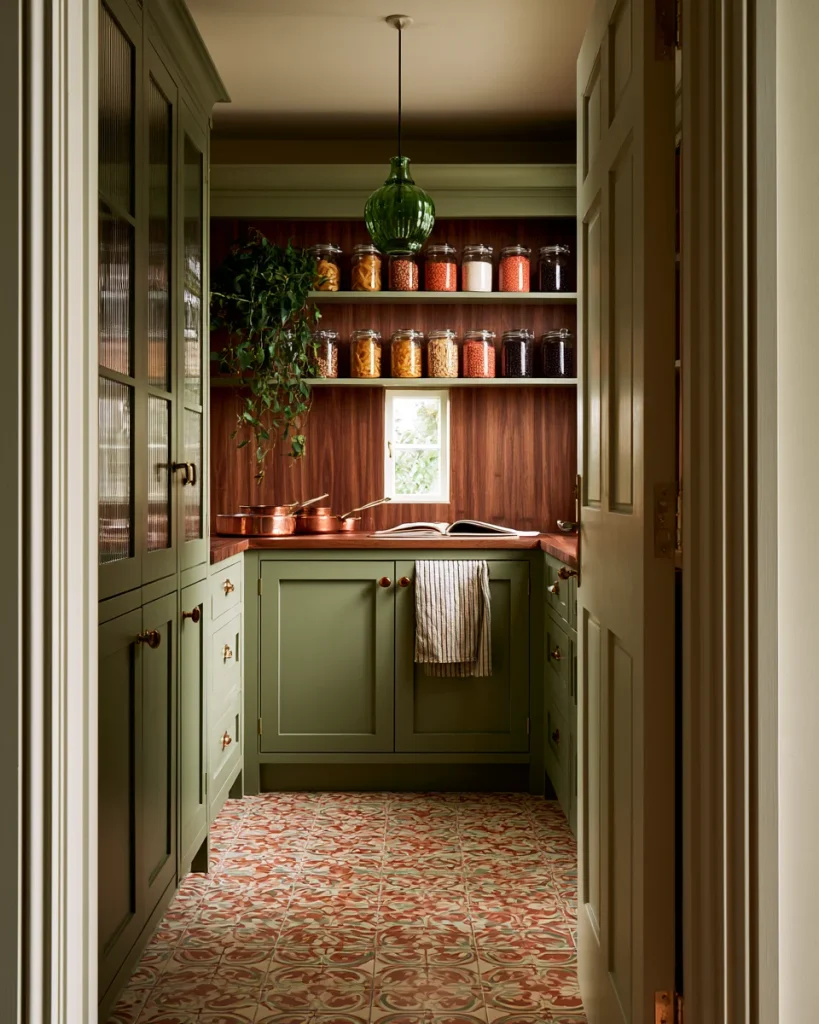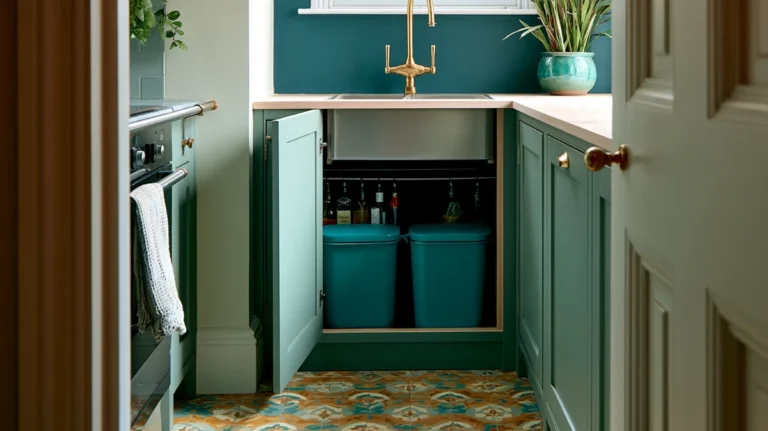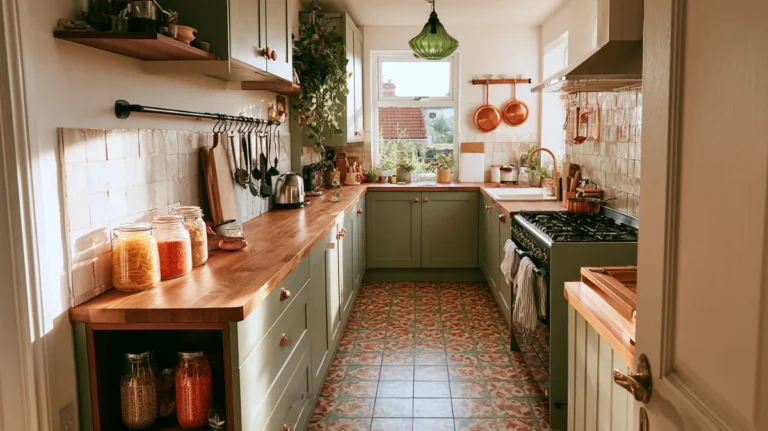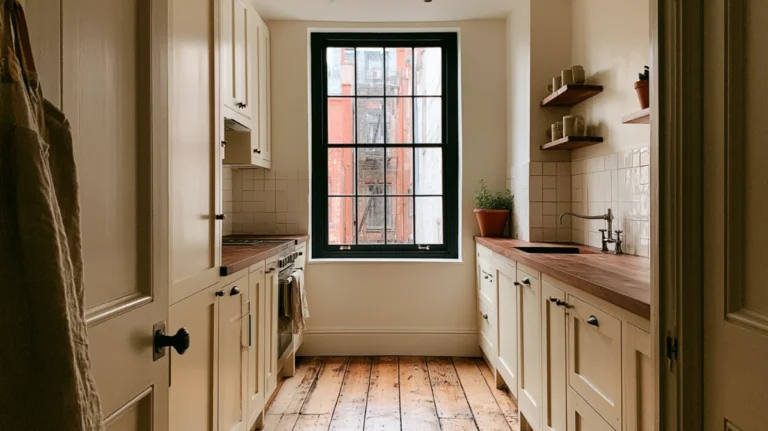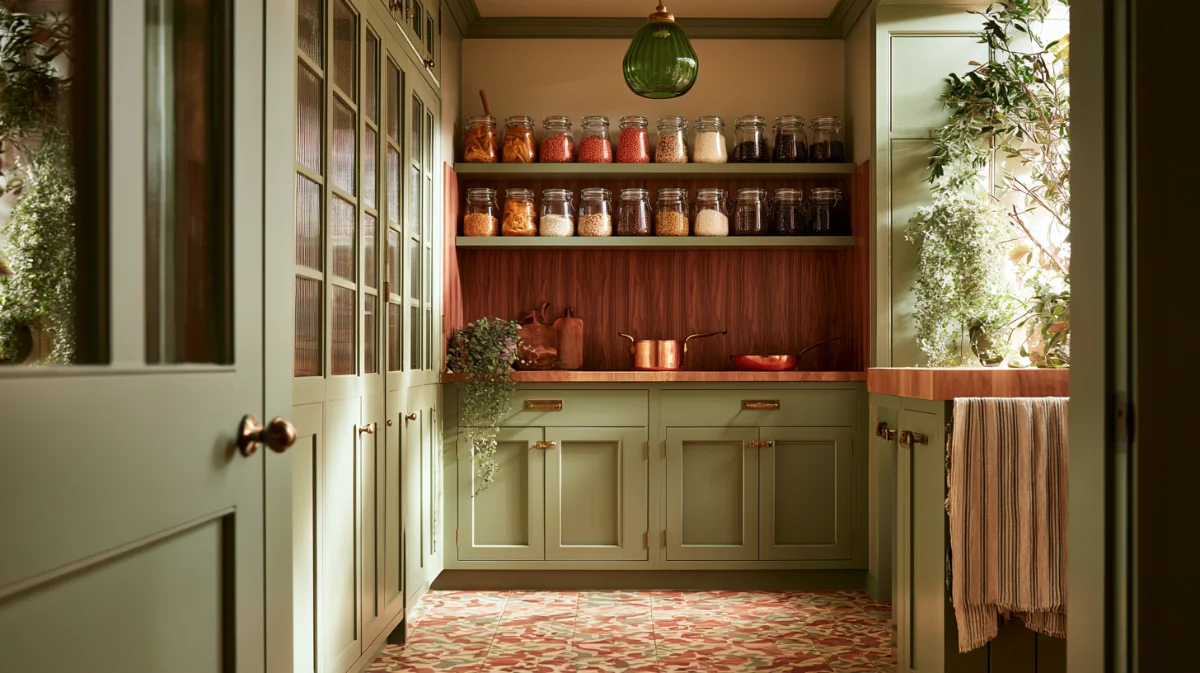


Small pantry organization works differently from every other cupboard in the house, because the contents expire. Sort by turnover rather than by category: fast movers at eye level, slow movers above and below, and dead stock out of the pantry entirely.
A pantry organised by category looks tidy and still throws food away. One organised by turnover does not.
This takes about ninety minutes the first time and twenty minutes a year afterwards.
The Only Storage in Your Home With a Clock On It
Every other cupboard holds things that will be fine next year. A pantry does not, and that changes what organised means.
It is why pantry organization advice borrowed from wardrobes and bathrooms tends not to survive six months.
In a pantry, hidden equals wasted. Anything you cannot see within about two seconds of opening the door is on a countdown you are not watching.
The three speeds
Everything in a pantry moves at one of three speeds, and the speed decides the shelf.
- Fast, meaning weekly. Pasta, rice, cereal, tinned tomatoes, coffee, snacks
- Slow, meaning monthly. Baking supplies, speciality vinegars, tinned fish, stock
- Dead, meaning it has been there a year and you have not opened it
Most people have far more dead stock than they think, and it is usually occupying the best shelf in the cupboard.
Small pantry organization is really the job of keeping fast movers visible and getting everything else out of their way.
How long things actually last
The USDA is specific about this. High acid canned goods such as tomatoes and fruit keep 12 to 18 months, while low acid ones such as meat, fish and most vegetables keep 2 to 5 years.
| What | Unopened in the pantry | Where it belongs |
|---|---|---|
| Canned tomatoes, fruit, pickles | 12 to 18 months | Eye level if used weekly |
| Canned meat, fish, beans, vegetables | 2 to 5 years | Upper or lower shelf |
| Dried pasta and rice | About 2 years | Eye level |
| Ready-to-eat cereal | 6 to 12 months | Eye level |
| Flour, sugar, baking supplies | Months rather than years once opened | Mid shelf, sealed |
The number that surprises people is the tomatoes. They are the fastest-expiring tin in most pantries, and they are usually stored like they last forever.
Dates on tins are about quality rather than safety. The USDA treats the condition of the can as the safety question, so a dented, rusted or swollen tin goes regardless of the date.
That matters for the sweep below, because most of what you find will be safe and simply past its best.
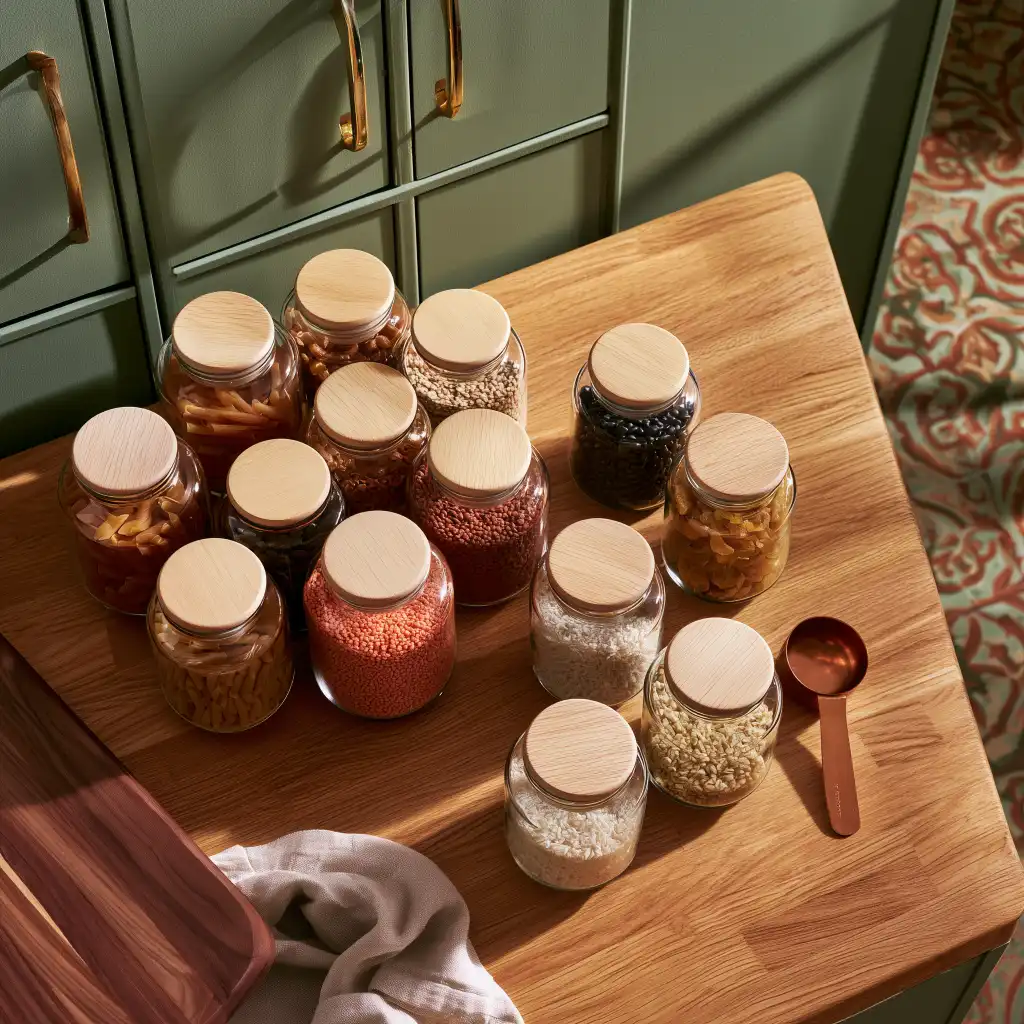
Read more: where the rest of the kitchen ends up once the pantry is sorted
Fast Movers Get the Eye Level Shelf
The shelf between about 40 and 60 inches is the only one you actually see. Everything weekly lives there and nothing else does.
That shelf is worth more than any container you could buy for it, which is why the first job is deciding what deserves it.
Measure it if you are unsure. Stand in front of the cupboard and note which shelf you look at without moving your head.
What earns the space
Work from last week rather than from intention. What did you actually open in the last seven days?
For most households, that is pasta or rice, one tinned base, cereal, coffee or tea, and whatever the snacks are.
Five categories, one shelf. If it did not get opened last week, it is not a fast mover, whatever you had planned.
Review this seasonally. Soup tins move fast in January and slowly in July, and the shelf should follow.
How to arrange them
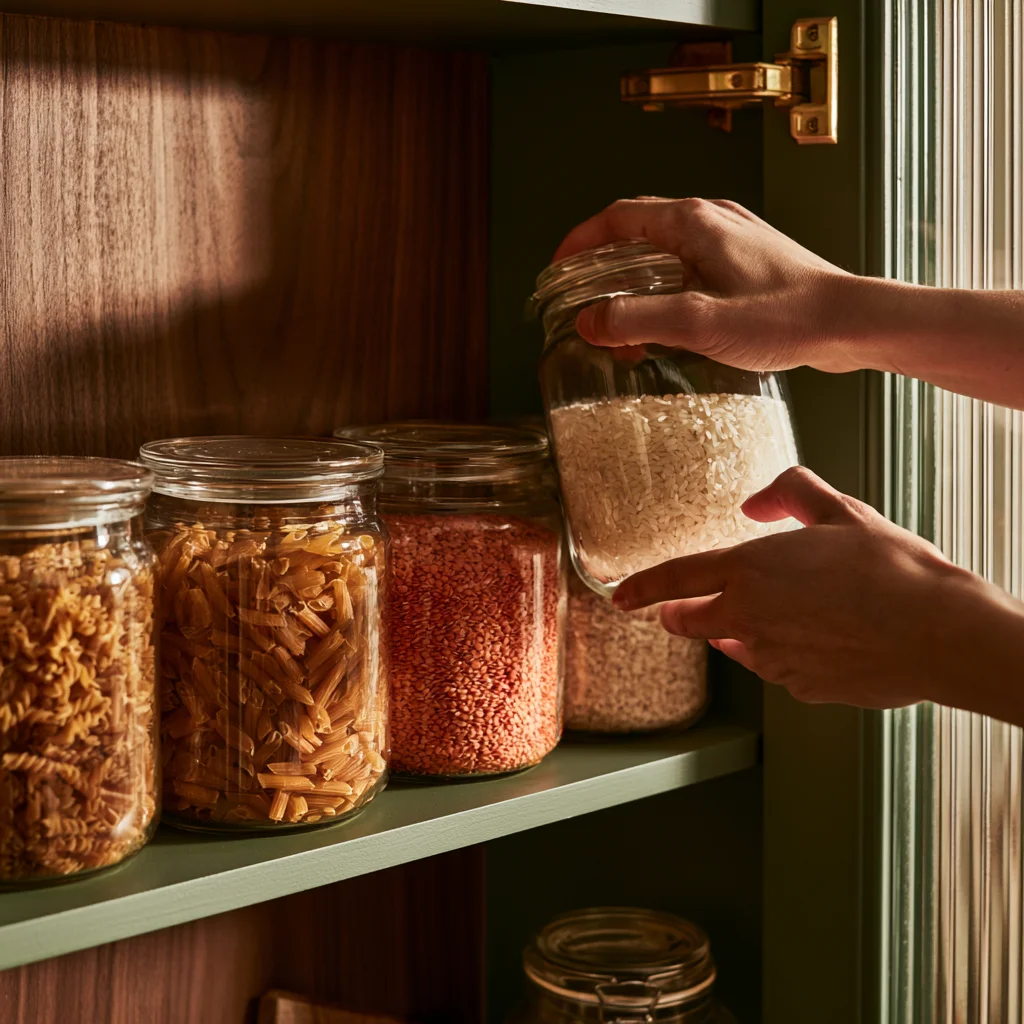
One category per container, front-facing, nothing behind anything else on that shelf.
Depth is the enemy at eye level. A shelf 12 inches deep should hold one row, not two, because the back row becomes dead stock within a month.
That is the same reach problem every cabinet in the kitchen has, and the dead depth at the back is measurable.
A shelf riser helps only if it lets you see two tiers at once. One that hides a back row behind a front row makes the problem worse.
Clear containers beat opaque ones for the same reason, and it has nothing to do with how they look.
Slow Movers Go Above and Below
Monthly items can afford a stool or a bend. That is the whole reason the bands exist.
Most pantry organization treats every shelf as equal. They are not, and pretending otherwise is what buries the slow movers at eye level.
The upper shelf
Light, bulky and infrequent. Cereal boxes in bulk, kitchen paper, anything you buy in multiples and open one at a time.
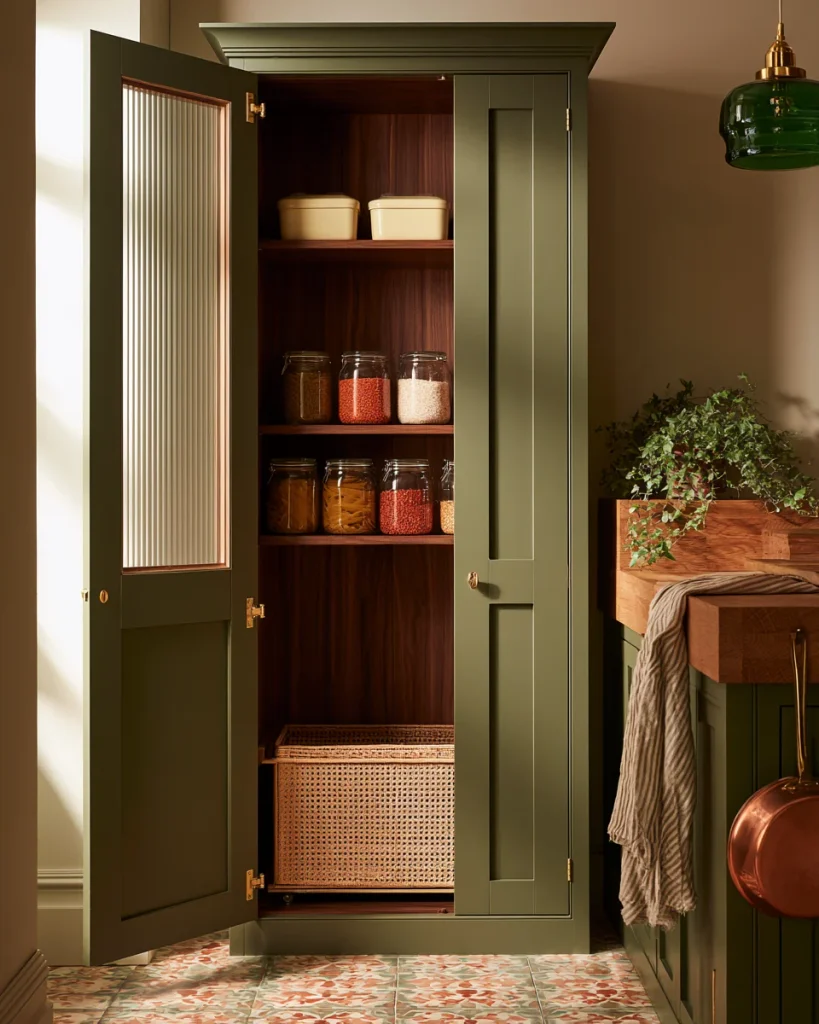
Nothing heavy above shoulder height, and nothing in glass. A jar coming off a high shelf is a different kind of afternoon.
Group the upper shelf into one or two lidded boxes rather than loose items, so the whole box comes down at once.
The lower shelf and the floor
Heavy and stable. Bulk flour, bottled drinks, tinned goods in quantity, the bag of potatoes.
Use a pull out crate or a shallow bin rather than stacking loose, because anything at floor level that needs kneeling to reach will not be reached.
Keep the very back of the bottom shelf empty on purpose. It is the least accessible cubic foot in the whole kitchen.
Anything you do put there should be something you buy once a year, like a large bag of flour or bottled water.
What to keep off the floor entirely:
- Anything in paper packaging, which draws damp
- Anything you need weekly
- Open bags of dry goods
- Anything a pet could reach
Read more: the same sorting problem in the cabinet under the sink
Dead Stock Is the Actual Problem
This is the section most pantry advice skips, and it is where the space is.
Dead stock is anything unopened for a year. It is not clutter exactly, because you bought it deliberately. It is a decision you stopped making.
No amount of pantry organization fixes it, because the containers were never the problem. The volume was.
The one-year sweep
Take everything out and make three piles: opened in the last month, opened in the last year, and untouched.
The untouched pile is usually a third of the cupboard, and almost none of it goes back.
Do it in one sitting. Spread over a week, the untouched pile quietly migrates back onto the shelves.
Expect it to take longer than you planned. The sorting is fast, and the deciding is not.
Give yourself a bag for donation before you start, so the decision has somewhere to go the moment you make it.
- Still in date and you will genuinely eat it, put it at eye level for one month as a test
- Still in date and you will not, donate it while it is still useful to someone
- Out of date, check the can rather than the date, since the USDA treats seal condition as the safety question
- Speciality ingredients bought for one recipe: keep one, donate the rest
Doing this once a year recovers more pantry space than every riser, bin, and lazy susan combined.
Why it comes back
Dead stock regenerates because of how shopping works, not how storing works.
You buy a jar for a recipe, use a third, and it moves to the back. Six months later, you buy another because you cannot see the first.
Check the pantry before shopping rather than after. Thirty seconds with the door open removes most duplicate buying.
Photograph the eye-level shelf on your phone if you shop away from home. It is faster than a list and more honest.
The fix is upstream of the pantry, and it belongs to the shopping habit rather than the shelf.
The fridge has the same turnover problem on a much shorter clock, so zoning it by speed works there too.
Rotation, Which Takes About Thirty Seconds a Week
Every shop is the moment the system either holds or fails, and it takes almost no time to get right.
New goes behind
When the shopping comes in, push the existing tins forward and put the new ones at the back.
That single habit is what stops anything reaching its date. It costs about thirty seconds, and it is the whole of pantry rotation.
Doing it the other way round is how a tin of tomatoes reaches four years old behind a wall of newer ones.
It works because it is physical rather than remembered. You are not tracking dates, you are moving tins forward.
Counter clutter follows the same logic, where what stays out has to earn the surface daily.
The use-first bin
One small open bin at eye level for anything approaching its date or already opened.
Nothing goes in it permanently. It is a queue rather than a category, and it should be nearly empty most weeks.
What belongs in it:
- Anything opened and resealed
- Anything within a month of its date
- Half a packet of something you will not buy again
- Leftovers from a recipe you tried once
Decanting helps here for bulk goods only, since a container costs more shelf volume than the bag it replaced.
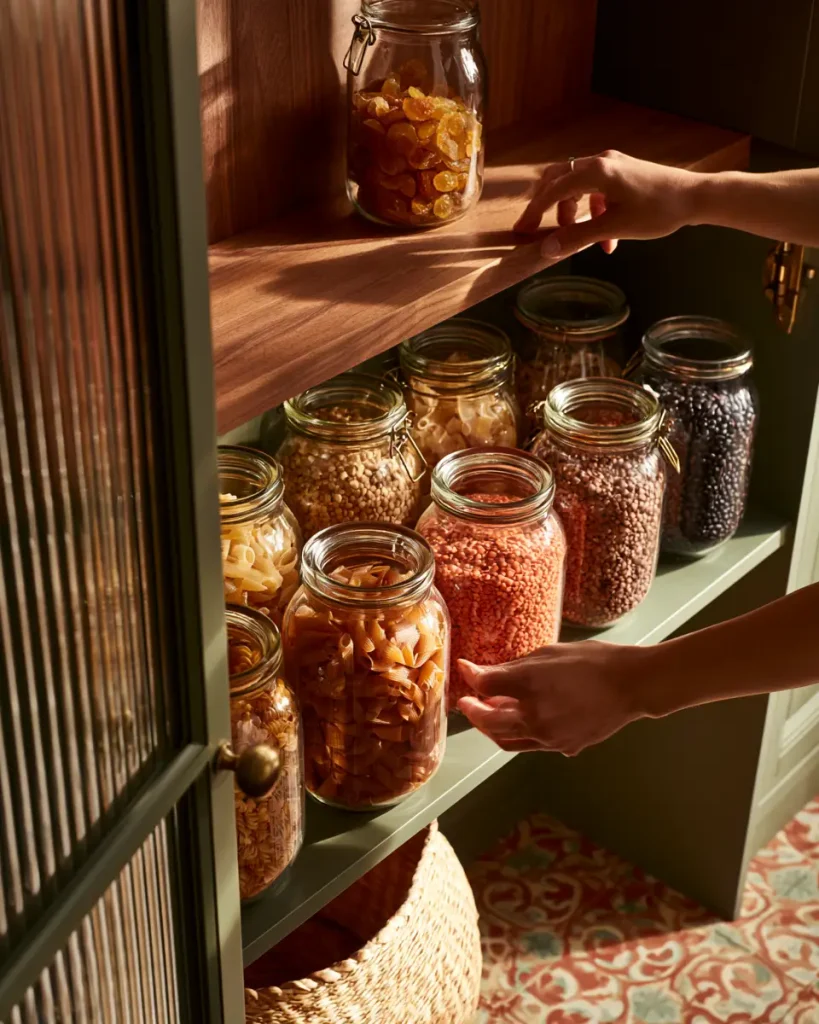
Read more: containers that stop breeding once the food is sorted
If the Pantry Is One Cupboard
Most small kitchens do not have a pantry. They have one cupboard doing the job, and the three bands compress into three shelves.
Small pantry organization in one cupboard is the common case, and the turnover rule matters more there rather than less.
Making one cupboard work
- Top shelf, light and monthly
- Middle shelf, everything weekly, single row only
- Bottom shelf, heavy and bulk, in a pull-out bin
- Door, if it takes an over-the-door rack, for flat packets and sachets
Three shelves and a door are enough for most households, provided the dead stock has actually gone.
The door rack is the part people skip, and it is usually 15 to 20 percent more capacity for the price of a rack.
Open shelving is the other option in a kitchen with no cupboard to spare, though the weight limits decide what can go on it.
What does not work is spreading the pantry across three separate places in the kitchen. Split storage is how duplicates start.
Spices are the usual exception and they genuinely do better in a drawer, since a flat drawer shows every jar at once.
And if the cupboard is genuinely too small no matter how it is sorted, the overflow goes to a different room rather than a second kitchen cupboard, which the zone map handles better than improvising.
The order to work in
- Empty it completely and make the three piles
- Deal with the untouched pile today, not later
- Put the weekly items at eye level, one row deep
- Heavy low, light high, nothing in glass above shoulder height
- Start pushing new stock to the back from the next shop onward
The whole pass takes about ninety minutes the first time and twenty minutes a year after that.
Set a reminder for twelve months out on the day you finish. The sweep is the part that keeps working and the part everyone forgets.
Nothing here needs a single container bought in advance. Decide what stays first, then buy to fit what is left.
That order is the difference between a pantry that holds for a year and one that looks good for a fortnight.